Beyond The Disease, January 5, 2026
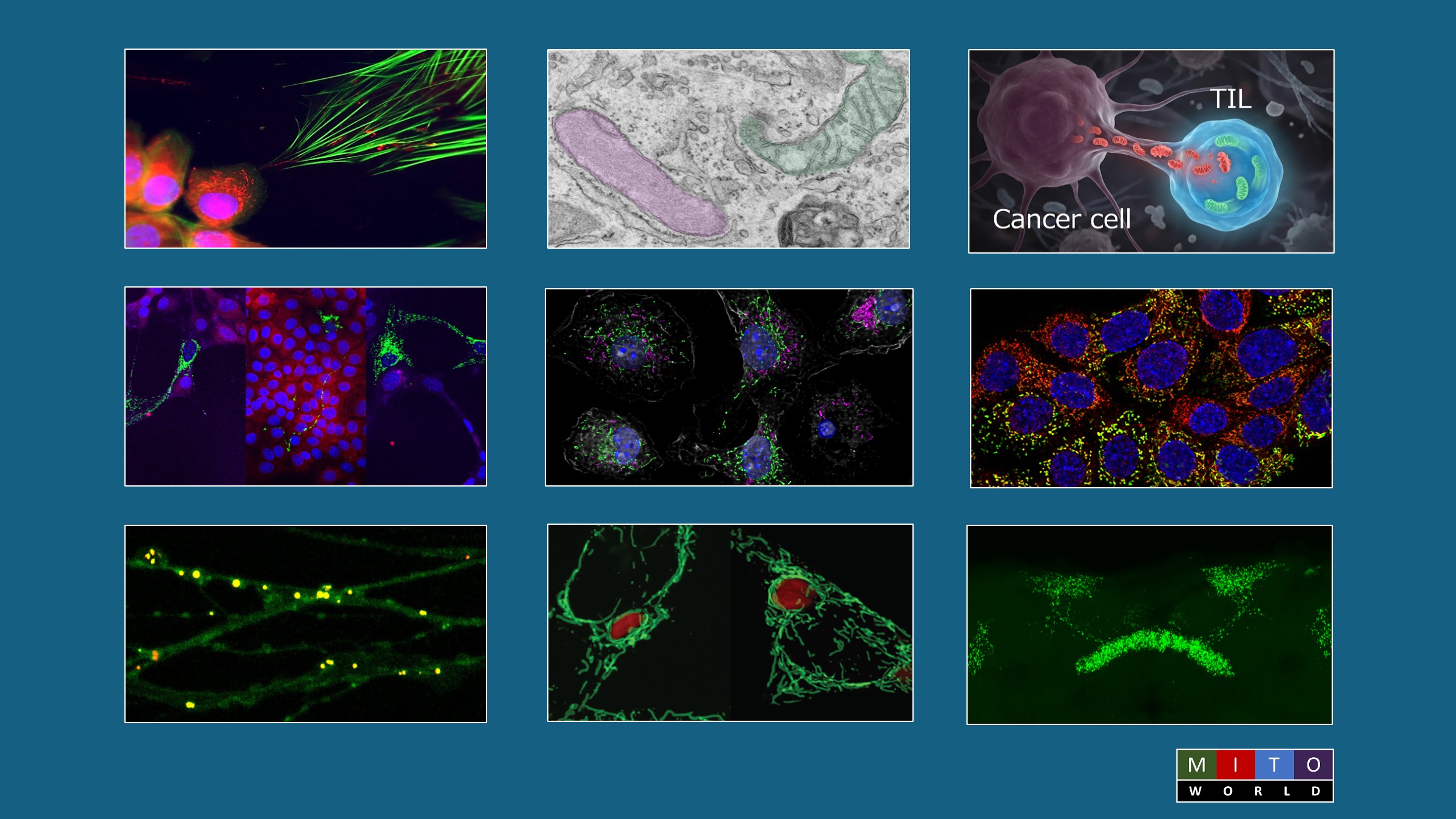
In “Beyond the Disease” MitoWorld partners with the United Mitochondrial Disease Foundation to highlight advances in mitochondrial science and the people responsible for them. www.MitoWorld.org is devoted to better public and medical understanding of underlying mitochondrial science in an effort to raise awareness of the field in order to attract greater funding for the pursuit of mitochondrial disease and dysfunction.
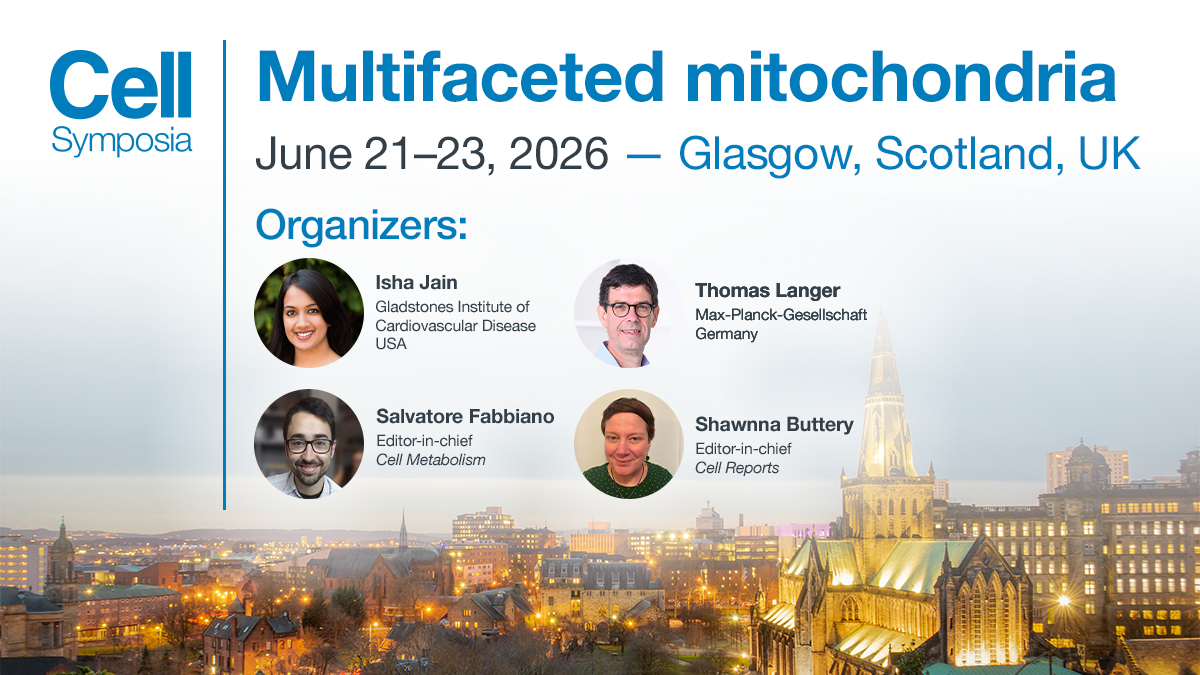
The Multifaceted Mitochondria Symposium has been the global standard for a decade, covering the full range of mitochondrial research, clinical practice and serving as a learning event for early investigators. The Glasgow 2026 event includes keynote speakers and the senior researchers from around the world. Patient groups are welcome.
See our MitoWorld Report. 2025 was a strong year for www.MitoWorld.org. As an information, publishing, and community web hub devoted to mainstreaming mitochondria, mtDNA, and the mitonuclear system as core to physiology, medicine, health, and translational research, we now have positive user reactions and acceptance across the research, clinical, and patient worlds.
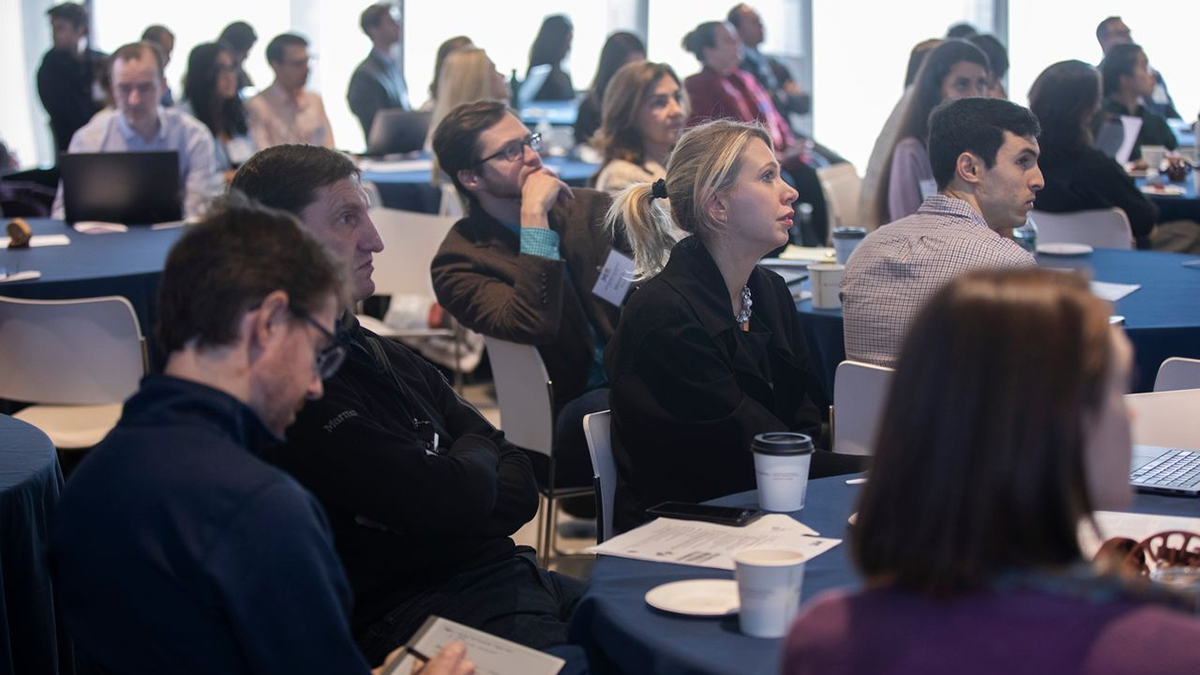
On December 12, nearly 550 researchers met in person and virtually at Columbia University to assess the accomplishments and future directions of the Mitochondrial Stress, Brain Imaging, and Epigenetics—MiSBIE study. The study (Kelly et al. 2024) sought to understand the role of mitochondria and energy in mind-body processes and mitochondrial diseases. The “mother paper” (Kelly et al.), as they call it, also spawned other papers.
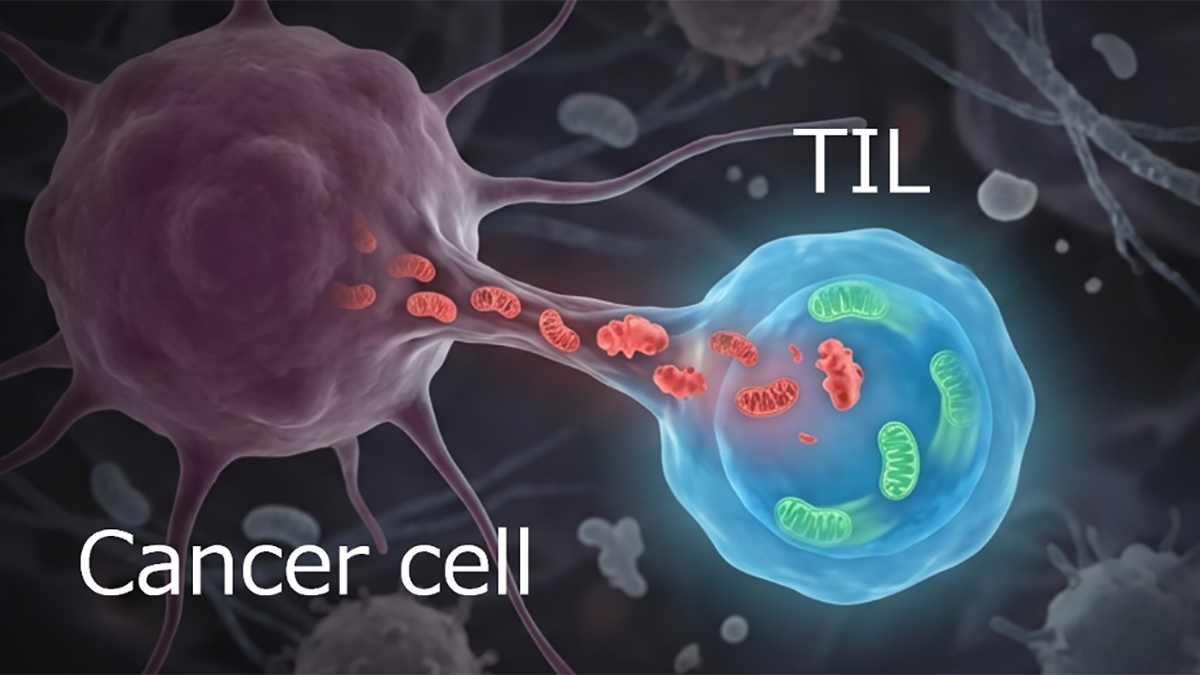
“Mitochondrial Transfer Leads to Immune Evasion by Cancers” describes a recent study published in Nature and led by Yosuke Togashi at Okayama University and the Chiba Cancer Center Research Institute (Japan). That study showed that cancer cells transfer mitochondria with mutant DNA and inhibitory molecules to immune cells to reduce the antitumor response.
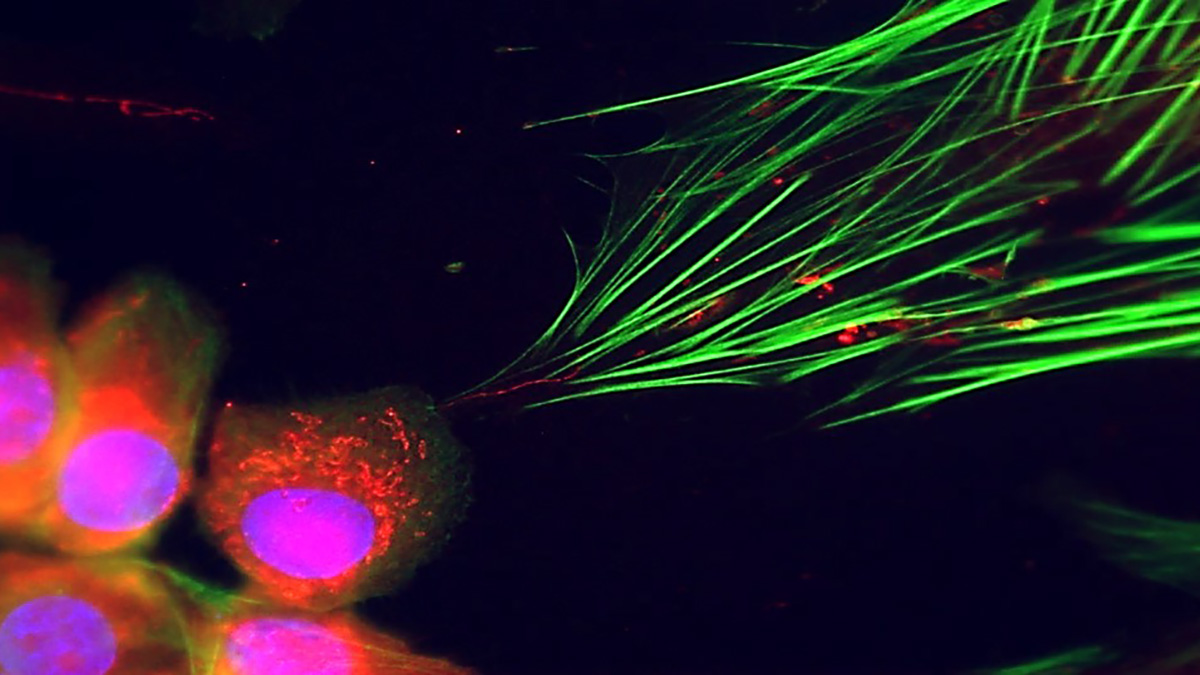
“Mitochondria Transfer from Cancer Cells to Fibroblasts” describes a paper in Nature Cancer by a multi-institute research team, led by Michael Cangkrama and Sabine Werner at the ETH Zurich. The team found that mitochondria transferred from cancer cells to fibroblasts cause changes in the fibroblasts that support the cancer cells. They also identified a protein that promotes the transfer that might be a key to treatment strategies.