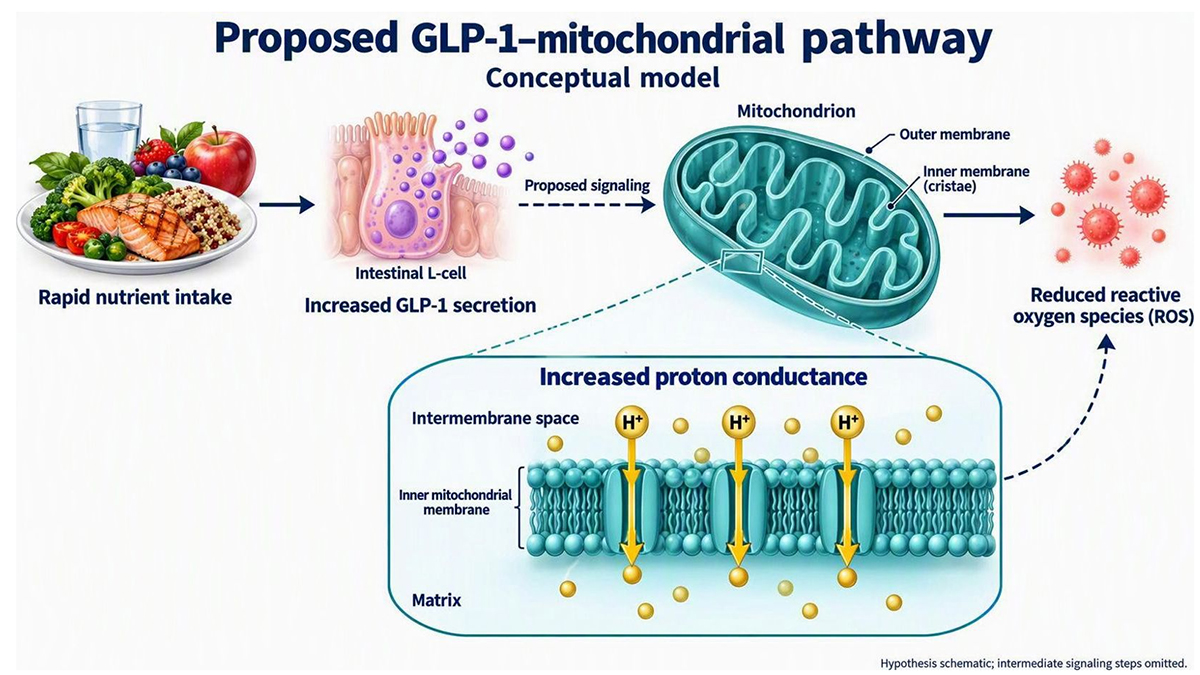
Incretin-based obesity therapies, such as GLP-1 receptor agonists, effectively treat obesity, but how they affect energy metabolism is unclear. A research team, led by Nawfal Istfan at Harvard Medical School, raise concerns about the drug’s side-effects and proposes an intriguing hypothesis for testing. The study was published in the journal Obesity1.
Incretin-Based Obesity Therapies
Incretin-based obesity therapies (IBTs), such as GLP-1 receptor agonists, are very popular and highly effective for weight loss. However, how they affect muscle tissue is unclear. A research team, led by Nawfal Istfan at Harvard Medical School, raise concerns about the drug’s side-effects. The study was published in the journal Obesity1.
The Istfan team was interested in how these drugs affects muscle tissue. In this study, they completed an extensive literature review and focused on two patients with myopathy. Patient 1 was a 36-year-old male, who had childhood mitochondrial myopathy that limited his daily activities. Patient 2 was a 43-year-old male with childhood-onset of exercise intolerance and diminished stamina. Patient 2 was later diagnosed with Becker’s myopathy in which mitochondrial function is preserved. Patient 1 suffered severe muscle weakness immediately after exposure to tirzepatide, while patient 2 tolerated the medication normally. This observation led to the hypothesis that GLP-1 RAs possibly interfere with the electron transport chain (ETC).
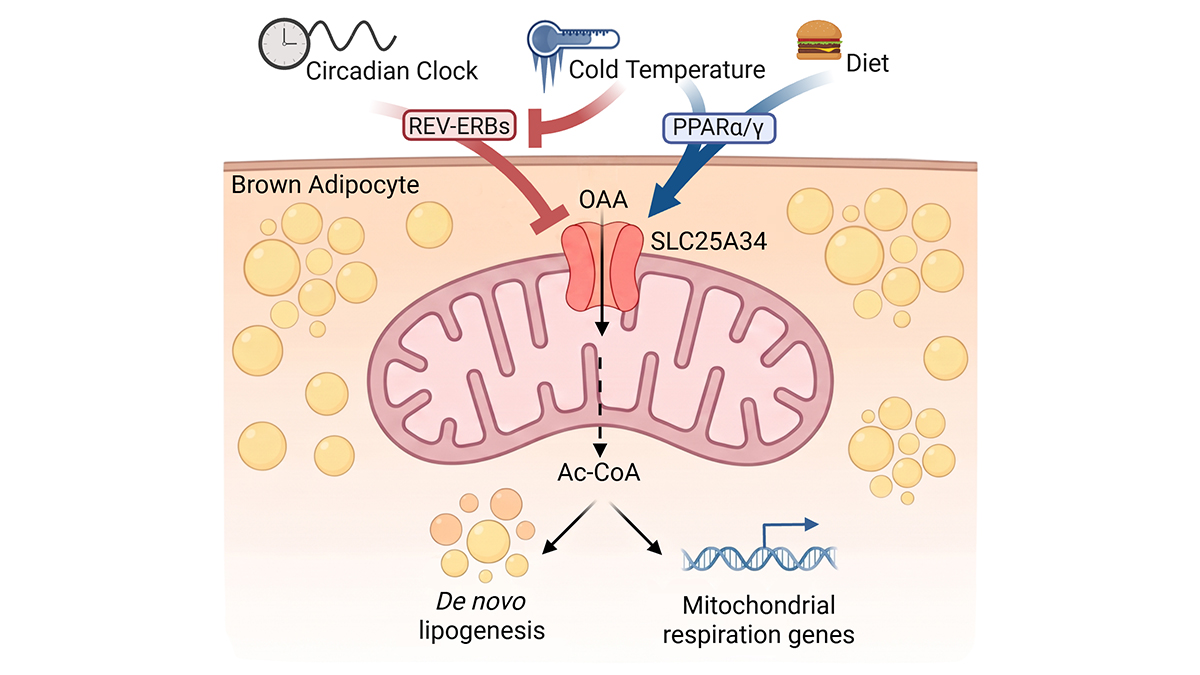
The team completed an extensive literature review of the effects of IBTs and incretins on mitochondria. That review disclosed that the drugs activate anti-inflammatory pathways that counteract insulin signaling. The researchers also found that IBTs activate thermogenic genes and uncoupling proteins. They conclude that IBTs likely uncouple oxidative phosphorylation (OXPHOS).
The team suggested an intriguing hypothesis that IBTs enhance proton conductance across the inner mitochondrial membrane and diminish the flux of electrons through ETC, which explains how uncoupling of ATP synthesis may not necessarily increase resting energy expenditure2,3. To summarize, rapid nutrient delivery signals excessive fuel to mitochondria. Incretin secretion activates mechanisms to limit food intake. Increased GLP-1 secretion activates the peroxisome proliferator-activated receptor gamma coactivator 1-alpha pathway and leads to increased expression of thermogenic genes and mitofusion 2 protein. The latter enhances mitochondrial-ER coupling, leading to increased Ca influx and a higher inner mitochondrial membrane potential. This activates the mitochondrial enzyme nicotinamide nucleotide transhydrogenase (NNT). From these actions, NADPH levels are increased, and ROS generation and oxidative stress are diminished. These beneficial effects are achieved at the expense of a limited decrease in ATP formation. While this might not be significant in normal individuals, patients with existing mitochondrial dysfunction may experience clinically significant decreases in ATP production. Thus, examination of NNT might provide a link between incretin secretion and antioxidant defense against ROS formation, as well as promoting weight loss
This study raises important questions that need to be examined because of the widespread usage of these drugs. If the hypothesis can be proved, it will greatly expand our understanding of these drugs and their relationship to muscle health.
Statement of Significance by Dr. Istfan
Ourreview “Incretin-Based Therapies: A Testable Hypothesis Linking Incretin Signaling, Mitochondrial Redox, and OXPHOS Efficiency” is significant because it shifts attention from the well-documented central effects of incretin-based therapies (IBTs), such as appetite suppression, enhanced satiety, and delayed gastric emptying, to a largely unexplored question: how do these widely prescribed drugs affect cellular energy metabolism? Prompted by a case of acute generalized muscle weakness in a patient with mitochondrial myopathy after tirzepatide exposure, we synthesize evidence that GLP-1 counteracts insulin signaling during nutrient excess by activating fasting-associated, anti-inflammatory pathways, and that IBTs activate thermogenic genes and uncoupling proteins in preclinical models. From this, we propose a testable hypothesis that IBTs may partially uncouple OXPHOS, directly linking their weight-loss effects to a reduction in oxidative stress.
The work matters on two fronts. Mechanistically, it offers a unifying physiological explanation for the metabolic benefits of IBTs beyond reduced caloric intake. Clinically, it raises a timely safety consideration: given the rapid growth in GLP-1 receptor agonist prescriptions and the lack of consensus on their effects on skeletal muscle mass and function, reduced mitochondrial efficiency could pose particular risks for patients with underlying mitochondrial disorders or vulnerable muscle. Because we frame the conclusions as indirect evidence and an explicitly testable hypothesis rather than an established finding, the article also serves as a roadmap for future experimental and clinical research into the bioenergetic consequences of this rapidly expanding drug class.
A Conversation with Dr. Istfan
MitoWorld: This is an interesting literature review and report on two patients. Can you tell us the directions of your future research? Do you plan to test the hypothesis that you proposed?
Dr. Istfan: The field of human energy metabolism is based on measurements of total heat production resulting from the oxidation of carbohydrates, fats, and proteins. The fundamental principles of this field originated in the 19th century, prior to the comprehension of mitochondrial function. However, this approach overlooks the potential for alterations in mitochondrial energy conversion, which is subject to the constraints of the second law of thermodynamics. To address this limitation, we developed a methodology to explore this area of metabolism, using the principles of non-equilibrium thermodynamics in human subjects. This methodology is noninvasive and straightforward to implement. Nevertheless, further refinements are necessary to validate its applicability during variable changes in energy metabolism, such as during physical activity and exercise. This will be the primary focus of our ongoing research endeavors.
MitoWorld: Your literature review and your own observations with the two patients seem to raise concerns about the effects of these drugs on muscles. Are you concerned about long-term usage?
Dr. Istfan: The general concern regarding muscle health in patients undergoing intermittent fasting (IBT) is well-documented in the literature. Current consensus suggests that the effects of IBT on lean tissue mass do not exceed the expected physiological changes. However, the impact of IBT on actual muscle mass and muscle function has not been adequately explored.
My concerns about potential negative effects of IBT primarily pertain to elderly patients, individuals who do not adhere to healthy eating habits, fail to meet their protein requirements, and are unable to engage in exercise or disregard the importance of muscle strengthening during weight loss. Additionally, I am concerned about patients who experience rapid or extreme weight loss (more than 30% of body weight within a 12-month period).
MitoWorld: As you note in the Conclusions, how IBTs affect eating habits, total energy consumption, and protein intake are unknown. Can you speculate on how that might work?
Dr. Istfan: We possess substantial knowledge regarding the effects of IBTs on the gastrointestinal tract and central nervous system. Notably, these medications enhance satiety and diminish hedonic eating behavior. Consequently, IBTs significantly reduce total caloric intake, thereby impacting weight in a substantial manner. Our research suggests the possibility of direct metabolic effects that further promote weight loss. However, there is a notable gap in our understanding regarding the actual dietary and nutritional intake levels in real-world scenarios. To date, there have been no dietary studies that quantify nutrient and energy intake and compare it within and between different IBTs. This missing information is crucial for comprehending the potential long-term adverse effects of pharmacologic treatments that may uncouple ATP synthesis and result in rapid weight loss.
MitoWorld: IBTs are very popular and powerful drugs. In light of the many unknowns and need to take them for a lifetime, would you recommend them to your own patients?
Dr. Istfan: I strongly recommend IBTs to patients with extreme obesity and those with severe comorbid conditions, such as diabetes, obstructive sleep apnea, chronic cardiovascular disease, and chronic kidney disease. The medical benefits of IBTs in this patient population are not achievable by any other treatment modality. My concerns about certain patients, as mentioned above, are mitigated by thorough and continuous monitoring. One group of patients that I recommend more intensive medical monitoring are those with severe heart dysfunction (cardiomyopathies) who may be impacted by the negative effects of IBTs on ATP production in muscle. However, there has been no concrete evidence pointing in this direction so far.
MitoWorld: Have you received feedback on this paper from other physician-scientists? If so, how was it received?
Dr. Istfan: Several fundamental concepts presented in the paper address areas that have not been adequately comprehended within the realm of clinical medicine. Notably, the paper elucidates the influence of mitochondrial efficiency on weight gain and weight loss, as well as its role in the development of obesity. We have received positive feedback regarding the paper’s ability to clarify these issues and enhance our comprehension of body weight regulation. Furthermore, the paper has garnered positive remarks for its hypothesis that establishes a unified mechanism linking weight loss and antioxidant defense.
MitoWorld: How did you become interested in mitochondria in the first place?
Dr. Istfan: My research has long been centered on human metabolism and nutrition, particularly its application in patients with obesity. It has been intriguing to comprehend how individuals exhibit varying propensities to gain weight and how metabolic differences among individuals can influence body weight regulation. The prevailing notion that “calories are calories” has significantly hindered our medical comprehension of the disease of obesity.
My interest in mitochondria emerged as I began exploring the impact of overfeeding on mitochondrial and cytoplasmic redox homeostasis. It became evident to me that mitochondrial redox, quantified by the ratio of beta hydroxybutyrate to acetoacetate in blood, can be utilized to ascertain appropriate thermodynamic forces (ATP phosphorylation potential and oxidative potential) in human subjects. This led to the application of non-equilibrium thermodynamics and the second law of thermodynamics in human subjects. This research yielded a deeper comprehension of mitochondrial energy conversion through oxidative phosphorylation and its significance in weight regulation and the development of obesity and metabolic disorders.
References
- Falahee B, Apovian CM, Istfan N (2026) Incretin-based therapies: A testable hypothesis linking incretin signaling, mitochondrial redox, and OXPHOS efficiency. Obesity (Silver Spring). doi: 10.1002/oby.70294. https://pubmed.ncbi.nlm.nih.gov/42782166/