
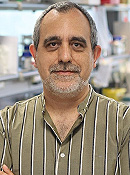
José Antonio Enríquez, Ph.D.
José Antonio Enríquez earned his degree in Biochemistry and Molecular Biology from the Autonomous University of Madrid and his PhD from the University of Zaragoza (UniZar) in 1992. During his thesis, he studied various aspects of mitochondrial DNA (mtDNA) biogenesis. Between 1993 and 1997, he worked with G. Attardi at the California Institute of Technology (CALTECH), where he investigated the pathogenic action of mutated mitochondrial tRNAs. His work during this period helped define the underlying molecular mechanism of this phenomenon and establish a general methodology for studying mitochondrial tRNAs. This methodology has been applied in studies of mitochondrial biogenesis as well as in the analysis of mtDNA-related diseases.
In 1997, José Antonio returned to UniZar as an Assistant Professor to start his independent research group (GENOXPHOS), becoming an Associate Professor in 1999 and a Full Professor at UniZar in 2007. Dr. Enríquez joined CNIC in 2009, where he focuses on elucidating the molecular mechanisms of mitochondrial dysfunction in cardiovascular diseases and ischemic processes.
https://www.cnic.es/en/investigacion/functional-genetics-oxidative-phosphorilation-system-genophos
https://www.ciberfes.es/grupos/grupo-de-investigacion?id=22473
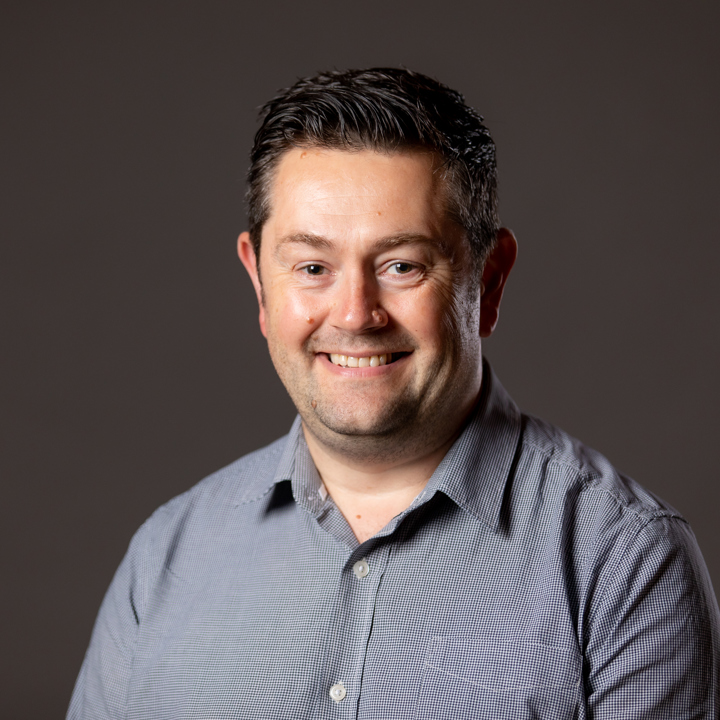
Gavin McStay, Ph.D.
Senior Lecturer in Biotechnology, Liverpool John Moores University (UK)
Gavin McStay, PhD, is a Senior Lecturer in Biotechnology at Liverpool John Moores University in the UK. His research examines the origin, metabolism and biogenesis of mitochondria and their role in cell death, using biochemical, molecular biology, genetic and cell biology approaches. He earned his PhD at the University of Bristol, where he studied the molecular composition of the mitochondrial permeability transition pore. He then trained as a postdoctoral fellow with Douglas Green at the La Jolla Institute for Allergy and Immunology and St. Jude Children’s Research Hospital, working on the mitochondrial pathway of apoptosis. He went on to study cytochrome c oxidase biogenesis in yeast at Columbia University and held faculty positions at the New York Institute of Technology and Staffordshire University. He leads Biomed News (BIMS), a free platform built on PubMed in which topic experts curate weekly literature reports using machine learning to identify relevant abstracts for each curator.

Lena Pernas, Ph.D.
My research group at UCLA is developing a novel dimension to the study of host-pathogen interactions, which traditionally studies how pathogens subvert cellular processes, or how host immune effector functions inactivate pathogens. We instead study how organellar function and metabolism are rewired to respond to and defend cells and organisms against pathogens. We use the human parasite Toxoplasma gondii as a model pathogen because, unlike for other microbes, we now know the factors that mediate contact and communication between host mitochondria and Toxoplasma. Our previous work has challenged the mainstream thinking of mitochondria as being hijacked by pathogens to organelles that orchestrate defense responses against pathogens. Our ongoing and future work has the potential to change our fundamental understanding of cell biology and could revolutionize how we treat infectious diseases.
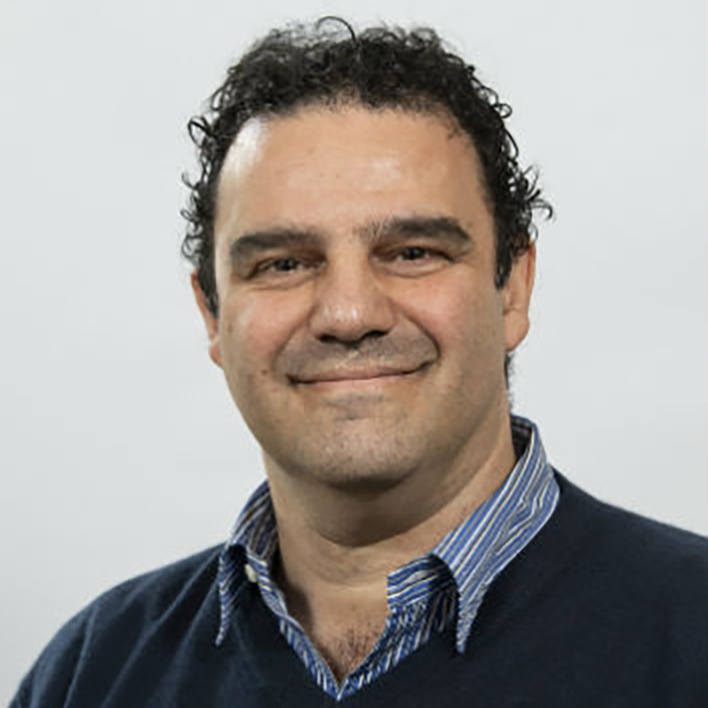
Kostas Tokatlidis, PhD
Kostas Tokatlidis, PhD is the Cathcart Chair of Biochemistry and Professor of Mitochondrial Biology at the University of Glasgow (UK). He leads the Mitochondria Biology group within the School of Molecular Biosciences and the Glasgow integrative mitochondria research network. He also serves as Director of Research and Innovation and leads the College Future Theme Fundamentals of Life. His laboratory focuses on understanding mitochondria biogenesis as a dynamic process linked to signaling and proteostasis hubs. A particular emphasis of his group has been on mitochondrial protein import pathways, redox folding and regulation, and the mitochondria responses to stress conditions. Tokatlidis has made seminal contributions to elucidating the mitochondrial IMS chaperone machineries assisting the sorting of mitochondrial metabolite transporters in the inner membrane, the oxidative protein folding and quality control mechanisms in the mitochondrial intermembrane space. His fundamental discovery work is developing towards the investigation of how these processes influence ageing, cancer, neurodegeneration, infection, and metabolic disease. He is a Fellow of the Royal Society of Edinburgh, a member of Academia Europaea, and a member of EMBO, has received major international funding including from Welcome Trust and UKRI, and is an active scientific adviser to academia, industry, and patient‑focused mitochondrial research organizations.

Philip West, Ph.D.
Senior Advisor, Board Member www.NLET.org
Phillip West, Ph.D. is an Associate Professor at The Jackson Laboratory in Bar Harbor, Maine, where he leads cutting-edge research on the intersection of mitochondrial biology and immune function. His work focuses on how mitochondria regulate innate immune and inflammatory responses and how disruptions in these processes contribute to genetic disorders, aging-related diseases, heart failure, cancer, and other complex conditions. Dr. West’s lab has made significant contributions to understanding mitochondrial stress signaling—especially the mtDNA-cGAS-STING pathway—and its impact on disease-promoting metabolic and immune rewiring. With a Ph.D. in Immunobiology from Yale University and postdoctoral training at the Yale School of Medicine, he brings deep expertise in immunology, cell biology, and translational research to his academic leadership and scientific collaborations.