Beyond The Disease, July 2, 2026
In “Beyond the Disease” MitoWorld partners with the United Mitochondrial Disease Foundation to highlight advances in mitochondrial science and the people responsible for them. www.MitoWorld.org is devoted to better public and medical understanding of underlying mitochondrial science in an effort to raise awareness of the field in order to attract greater funding for the pursuit of mitochondrial disease and dysfunction.
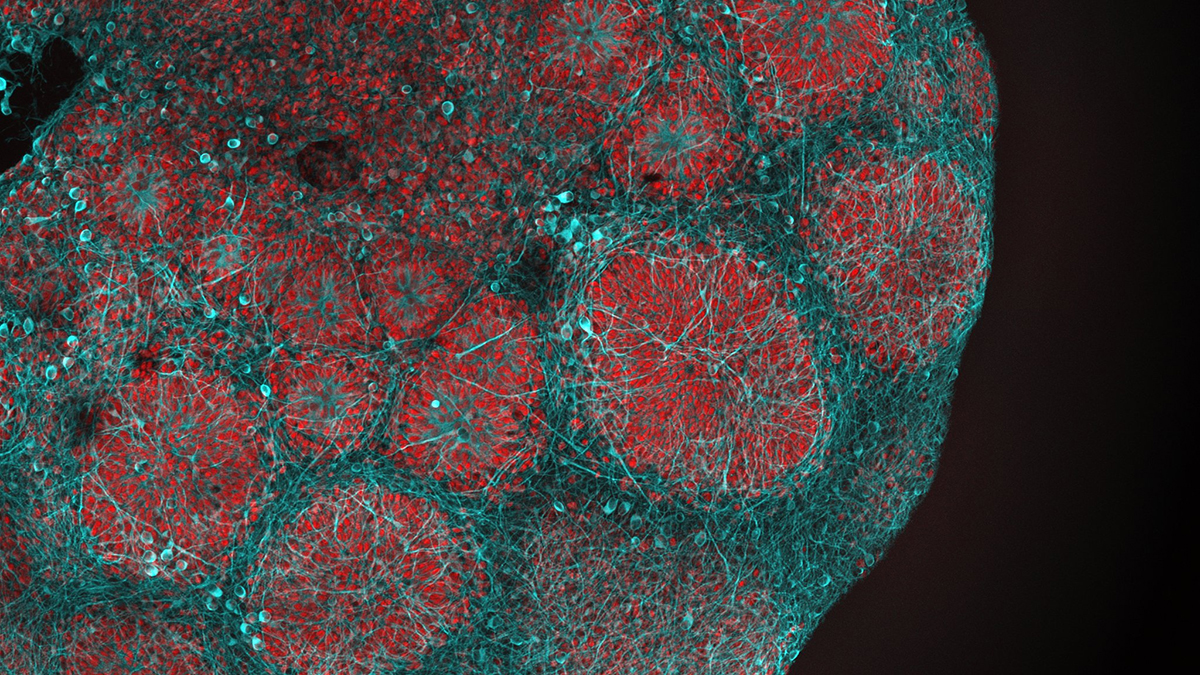
A large multi-institute research group, led by Alessandro Prigione, sought to repurpose approved drugs to treat Leigh syndrome. A screen of iPS cells identified sildenafil. Further testing showed that sildenafil improved symptoms in animals and patients. This study in Cell validated the iPS cell method and implicated sildenafil as a potential therapy.
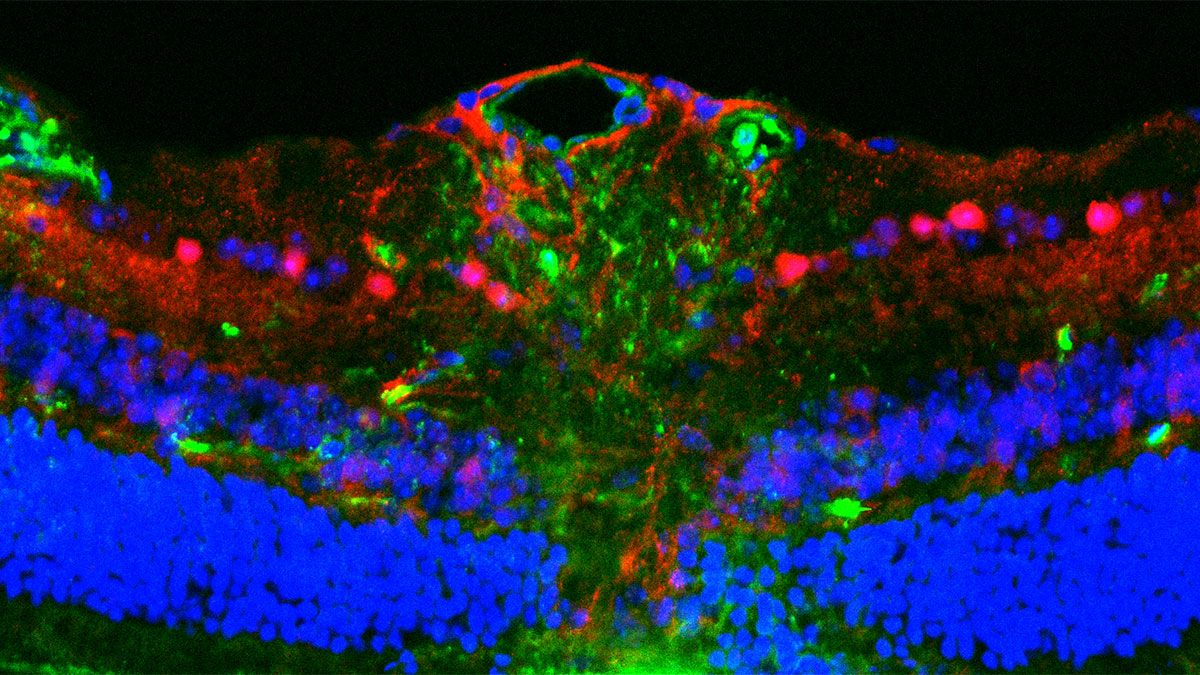
A paper in Communications Medicine describes a recent study, led by Arupratan Das, screened compounds to find possible drugs to treat glaucoma. Using a high-throughput mitochondrial screen in cells, they identified the 5-HT1A antagonist WAY-100635 (WAY) as an intriguing candidate.
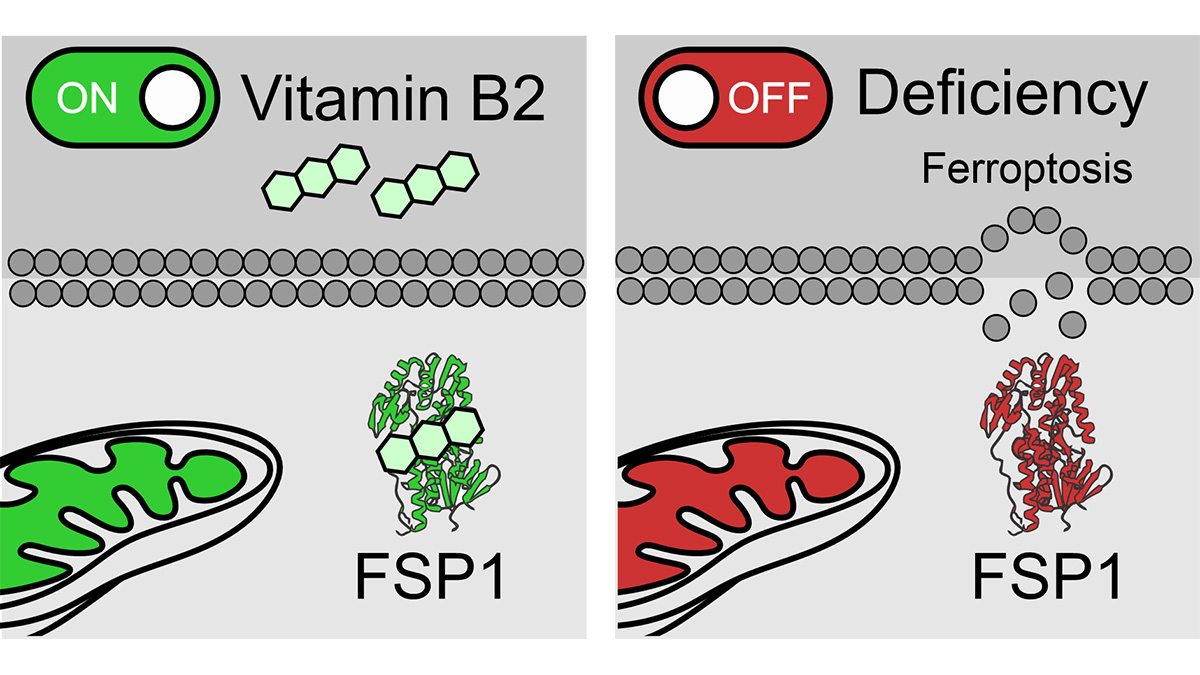
In a recent paper in Nature Cell Biology, Vera Skafar, member of a research team led by Prof. José Pedro Friedmann Angeli at the Rudolf-Virchow-Zentrum (University of Würzburg), examined the activity of ferroptosis suppressor protein 1 (FSP1) in protecting against phospholipid peroxidation and ferroptosis. They discovered that riboflavin (also known as vitamin B2) is a critical mediator for stabilizing FSP1 and suggest that riboflavin metabolism represents an intriguing possible therapeutic strategy.
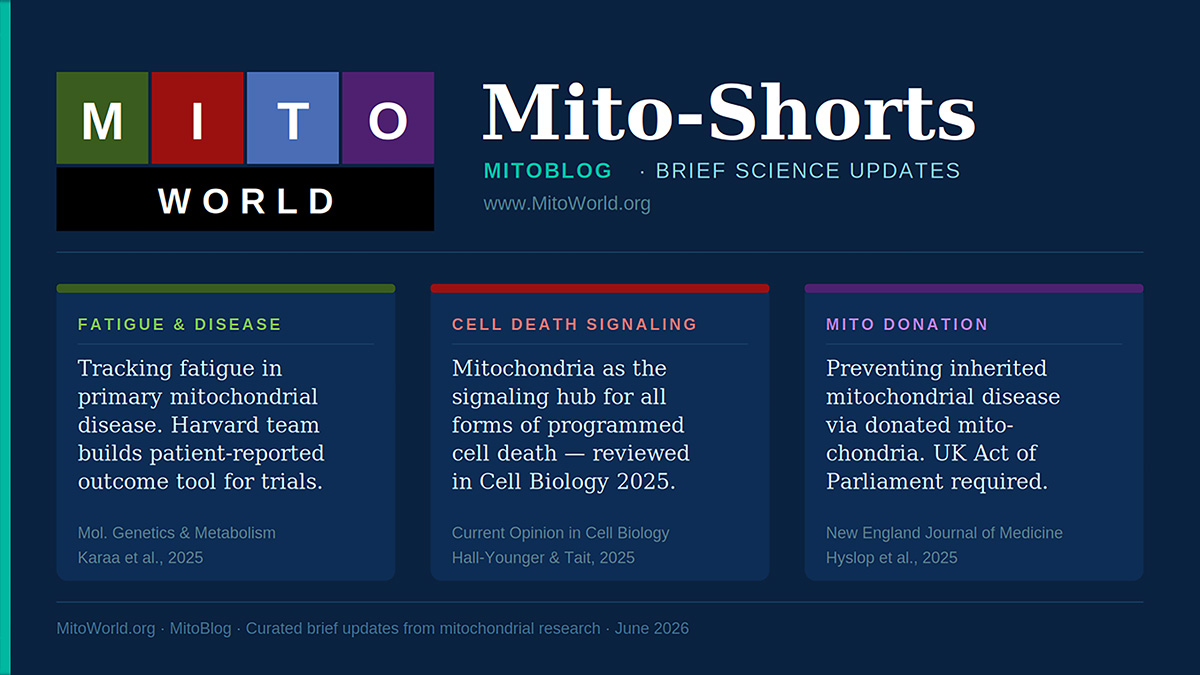
Mito-Shorts highlights interesting papers that have advanced our understanding of mitochondrial biology and disease. The group here includes descriptions of a clinical survey that helps to determine how fatigue affects those with mitochondrial diseases, mitochondrial control of apoptosis, and mitochondrial donation to prevent mitochondrial diseases in embryos.