Beyond The Disease, August 4, 2026
In “Beyond the Disease” MitoWorld partners with the United Mitochondrial Disease Foundation to highlight advances in mitochondrial science and the people responsible for them. www.MitoWorld.org is devoted to better public and medical understanding of underlying mitochondrial science in an effort to raise awareness of the field in order to attract greater funding for the pursuit of mitochondrial disease and dysfunction.
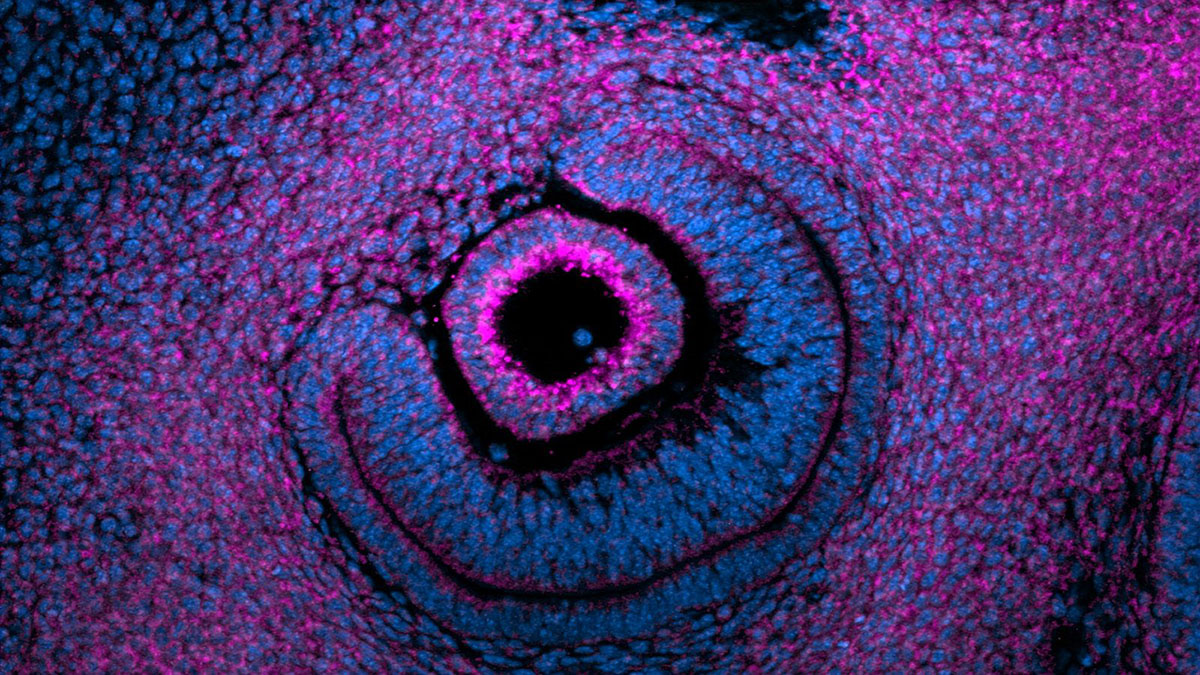
Patterns of Mitochondrial ATP Predict Tissue Folding
The shapes and sizes of tissues and organs are critical to multicellular organisms, but the mechanisms controlling the different processes that generate them are only partially understood. A research team, led by Celeste Nelson at Princeton University, linked one of these shape-generating processes, apical constriction, to ATP production by mitochondria. The findings were published in Science Advances.
The Rise of Mitochondrial-Oncology: Creating a Mito-Cancer Atlas
The Mito-Cancer session at the Multifaceted Mitochondria Symposium (June 21-23, Glasgow) featured Gordon Freedman from Mitoworld and Kelsey Fisher-Wellman, PhD, Wake Forest University, as moderators of a panel discussion with experts including Newcastle University’s Laura C. Greaves, PhD, and from the University of Glasgow: Thomas MacVicar, PhD, Payam A. Gammage, PhD, & Stephen W. G. Tait, PhD.
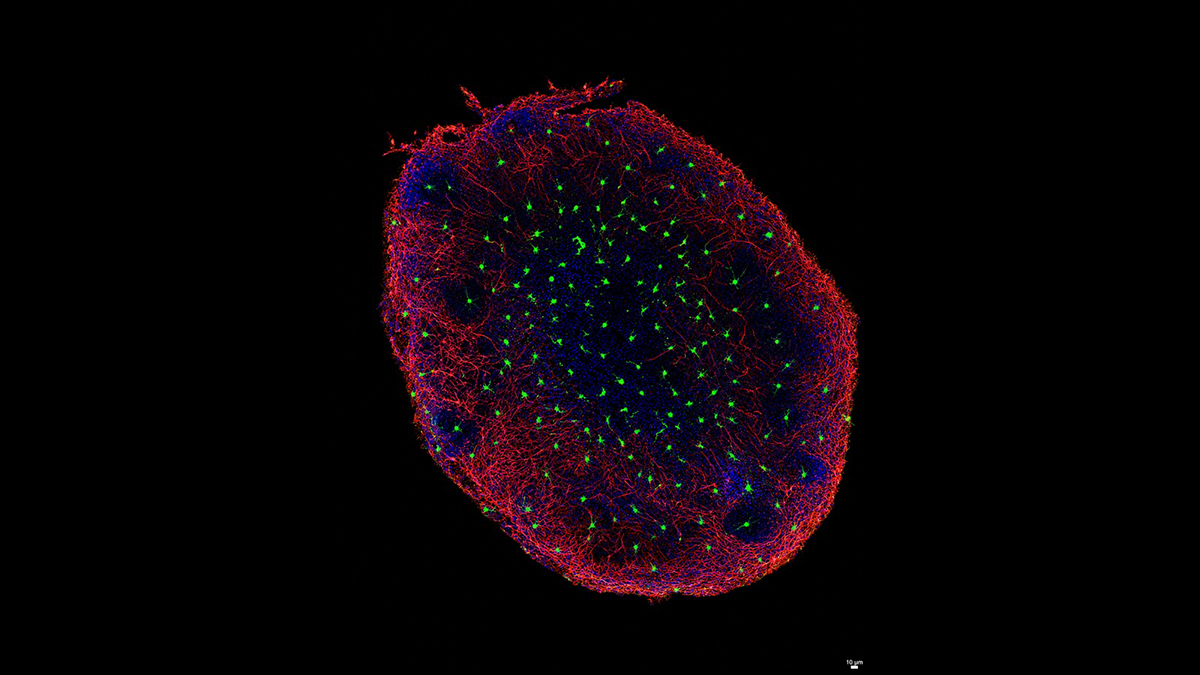
Mitochondrial Unfolded Protein Response Promotes Human Microglial Senescence
Proteostasis, the maintenance of a healthy, correctly folded protein network, is essential for cellular function. When mitochondrial proteins are damaged or misfolded, cells activate the mitochondrial unfolded protein response (UPRmt), a quality-control program that induces chaperones and proteases to help restore mitochondrial proteostasis.
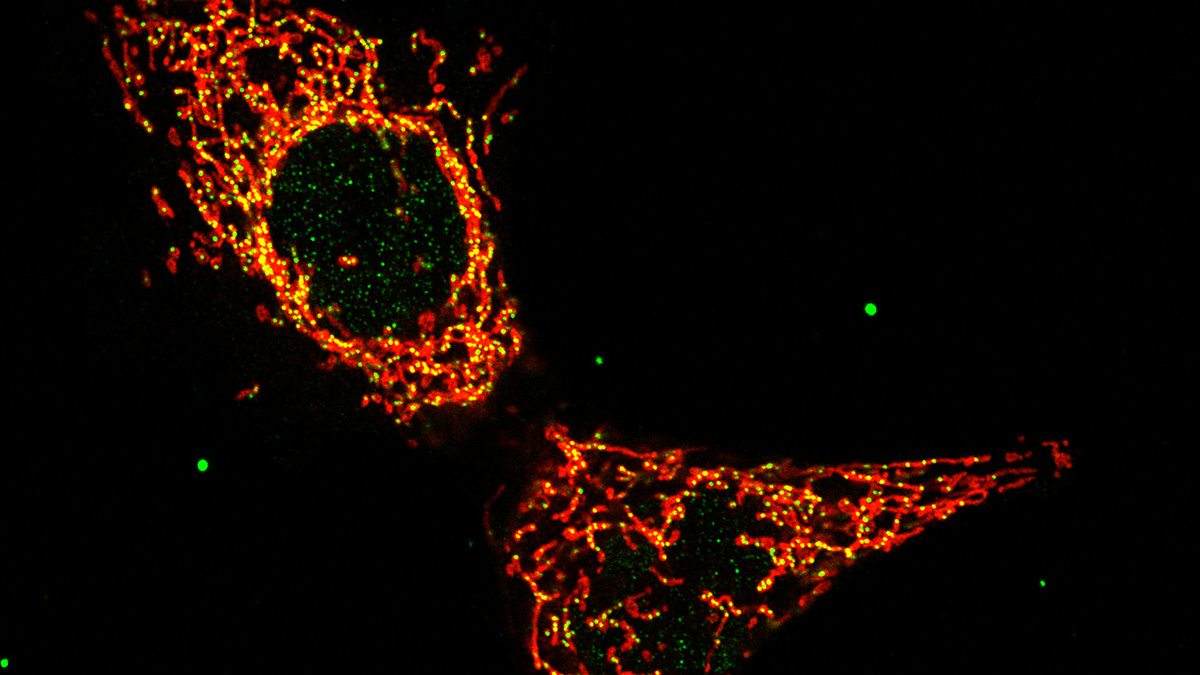
Mitochondria Determine Chemotherapy Sensitivity in Colorectal Cancer
Chemotherapy resistance accounts for more than 80% of cancer deaths, and so, preventing its development is a significant challenge in cancer treatment. Resistance comes from multiple sources. Some are related to the cancer cells themselves, and others are in reaction to the therapy. New ways to prevent the development of resistance are urgently needed to improve patient outcomes.