Beyond The Disease, April 2, 2026
In “Beyond the Disease” MitoWorld partners with the United Mitochondrial Disease Foundation to highlight advances in mitochondrial science and the people responsible for them. www.MitoWorld.org is devoted to better public and medical understanding of underlying mitochondrial science in an effort to raise awareness of the field in order to attract greater funding for the pursuit of mitochondrial disease and dysfunction.
In an wide-ranging recent review published in the journal Protein Science, Fara van der Schans, Kostas Tokatlidis, and Daniela G. Vitali of the University of Glasgow describe the mitochondrial intermembrane space, its proteome, and functions. They cover the mechanisms by which proteins are sorted there and their roles in regulating mitochondrial proteostasis and function.
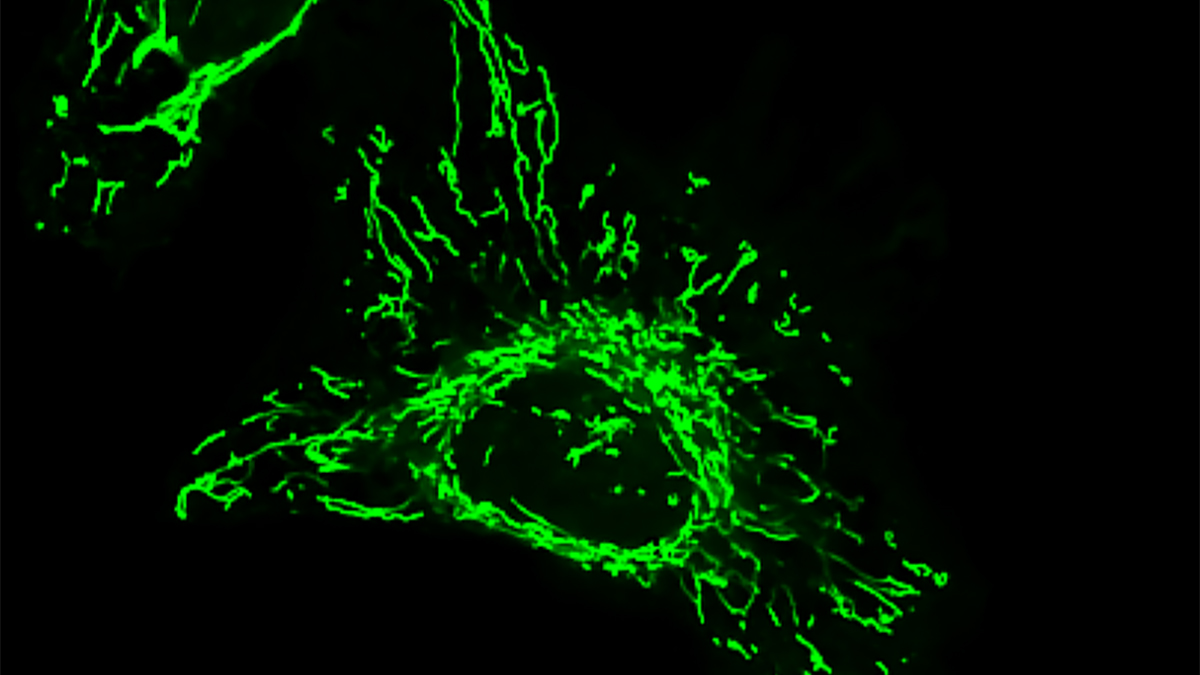
In a recent paper published in Nature Communications, a multi-institute research team, led by Ritobrata Ghose, Sara Sdelci and Verena Ruprecht, explored the effects of physical forces that confine cells. They found that mitochondria accumulate around the nuclear membrane and produce additional ATP for use in the nucleus. These metabolic adaptations prepare the cell for DNA repair processes and cell proliferation.
In a recent paper published in the Journal of Sport and Health Science, a research team at York University in Toronto, led by David Hood, examined mitochondrial quality control in skeletal muscle. Many aspects of the quality of life involve mitochondrial health. This review describes the complex relationship between muscle use and mitochondrial health.
A recent paper in Translational Psychiatry by Cullen et al. (2026) described their research into depression and fatigue in young adults with and without early-stage depression. They found a positive correlation between ATP levels and levels of depression. This ATP biosignature of fatigue in young adults with depression suggests a compensatory mechanism early in the disease.