Beyond The Disease, November 1, 2026
In “Beyond the Disease” MitoWorld partners with the United Mitochondrial Disease Foundation to highlight advances in mitochondrial science and the people responsible for them. www.MitoWorld.org is devoted to better public and medical understanding of underlying mitochondrial science in an effort to raise awareness of the field in order to attract greater funding for the pursuit of mitochondrial disease and dysfunction.
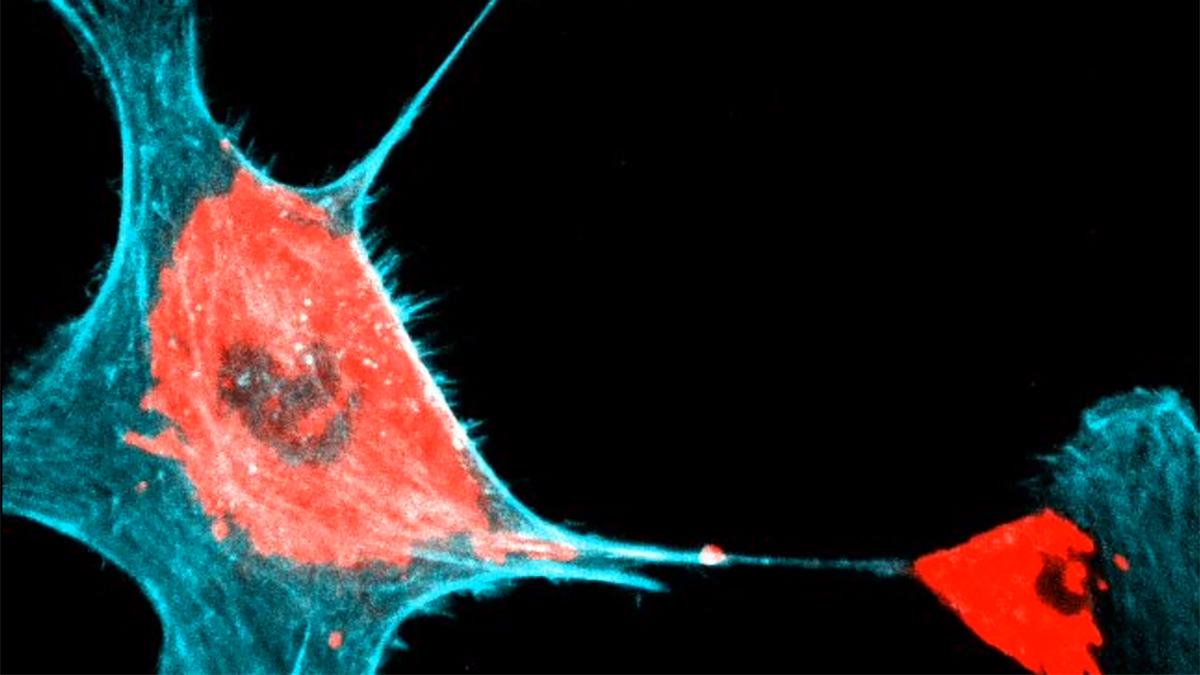
Tunneling Nanotubes, Mitochondria and Cancer
Recently, Ines Saenz-de-Santa-Maria and Chiara Zurzolo at the Institut Pasteur investigated how mitochondria are exchanged between glioblastoma cells and non-tumoral astrocytes, revealing a potential mechanism for tumor adaptation and novel therapeutic target. The results were published in Nature Communications.
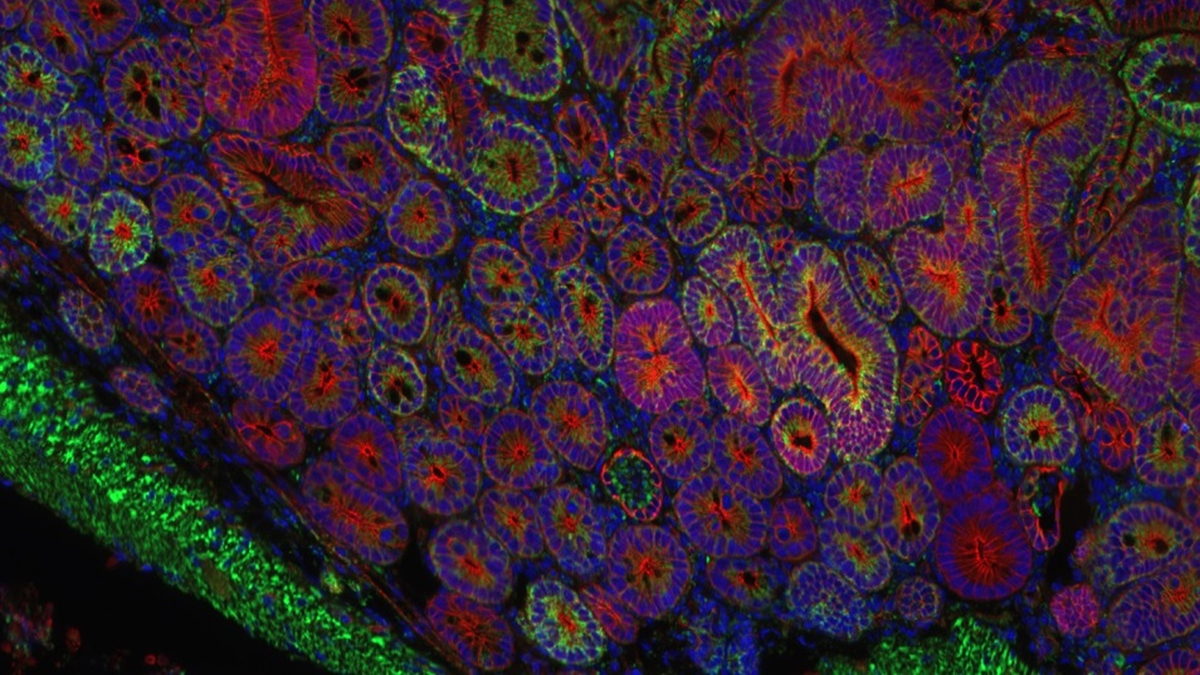
Tau Regulates Mitochondrial Reverse Electron Transport
Abnormal tau protein is associated with Alzheimer’s disease, frontotemporal dementia, and more diseases, but the mechanism is unknown. Now a research team at Stanford and UC San Francisco, led by Bingwei Lu, has shown that tau enters mitochondria and interacts directly with complex I to regulate reverse electron transport. The results were published in the journal Neuron.
Mitochondrial DNA Mutations and Cancer
Mitochondrial DNA (mtDNA) mutations are common in cancers, but how they affect tumor growth and the response to therapies is unknown. A recent review in Trends in Molecular Medicine, by Laura Greaves and colleagues, explored the prevalence and effects of mtDNA mutations in cancer, how they affect metabolic plasticity, and new experimental models and potential therapeutic opportunities.
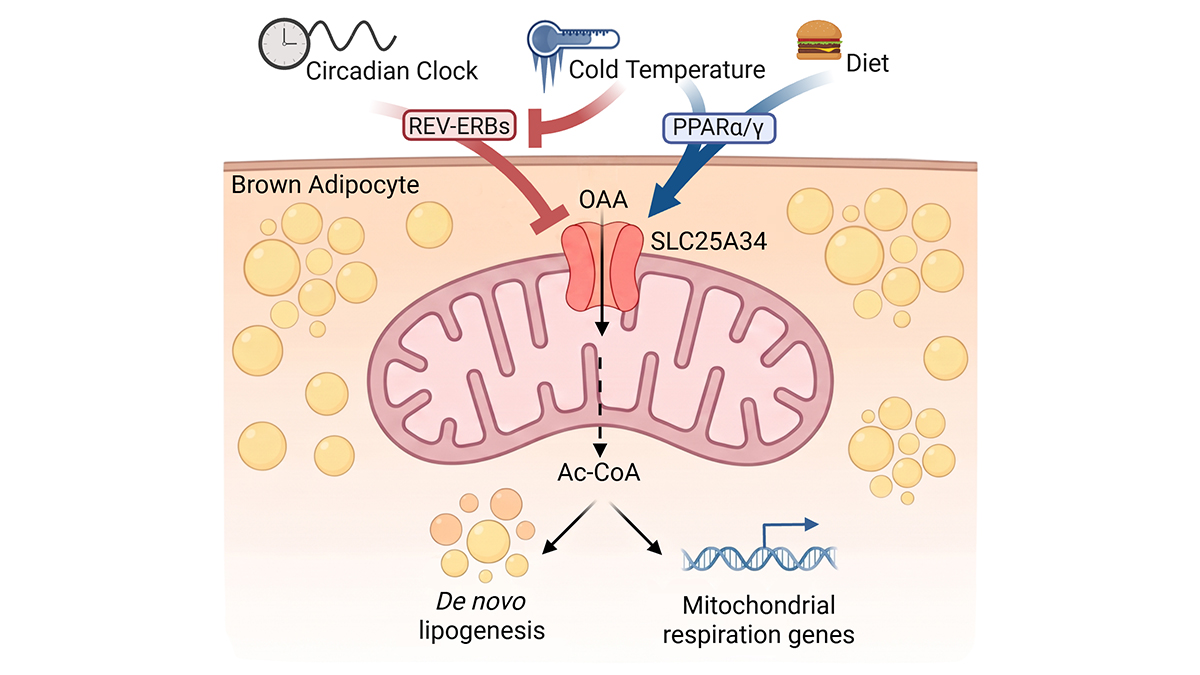
Mitochondrial Control of Heat Production in Fat
Maintaining body temperature is a critical requirement for all mammals. Multiple factors are involved in regulating the mitochondria in adipose cells. An international research team, led by Zachary Gerhart-Hines of the University of Copenhagen, studied the circadian, environmental, and dietary factors that regulate thermogenic fat in mice. They found that all of these factors converge on the mitochondrial metabolite transporter SLC25A34. The findings were recently published in the journal Science.